An unlimited AI video generator: take a clip’s motion and recast it with your own characters, products or clothes.
Samuel
Hello

My name is Samuel
I live in 


I started coding in high school, over 10 years ago when limited edition sneakers like Jordans or Yeezys were a big thing, they usually sold out within a few seconds of being released.
I started learning JavaScript to build my own automated bots that would automatically purchase the sneakers I wanted.
Later I joined my friends to build Ganesh, an automated sneaker bot that was used by over 1,500 other users at its peak and our users purchased more than $30 million worth of sneakers before the hype died down.
About me, now
I loved reverse-engineering complex apps and APIs, taking them apart until I know exactly how they work.
Funny enough, after building Ganesh, a friend of mine who worked at a big european sneaker retailer asked me to help them build a anti-bot protection for their raffle system.
I learned a lot about the backend and how to balance heavy load and concurrency, so things stay fast when traffic spikes.
My latest project is Keta AI (ketagen.com (opens in a new tab)).
I work AI-first: I write my own system so my agents like Claude Code and Cursor/Grok build in parallel, while I review the running app.
Fun fact: I run with Founders Running Club.
Delivered
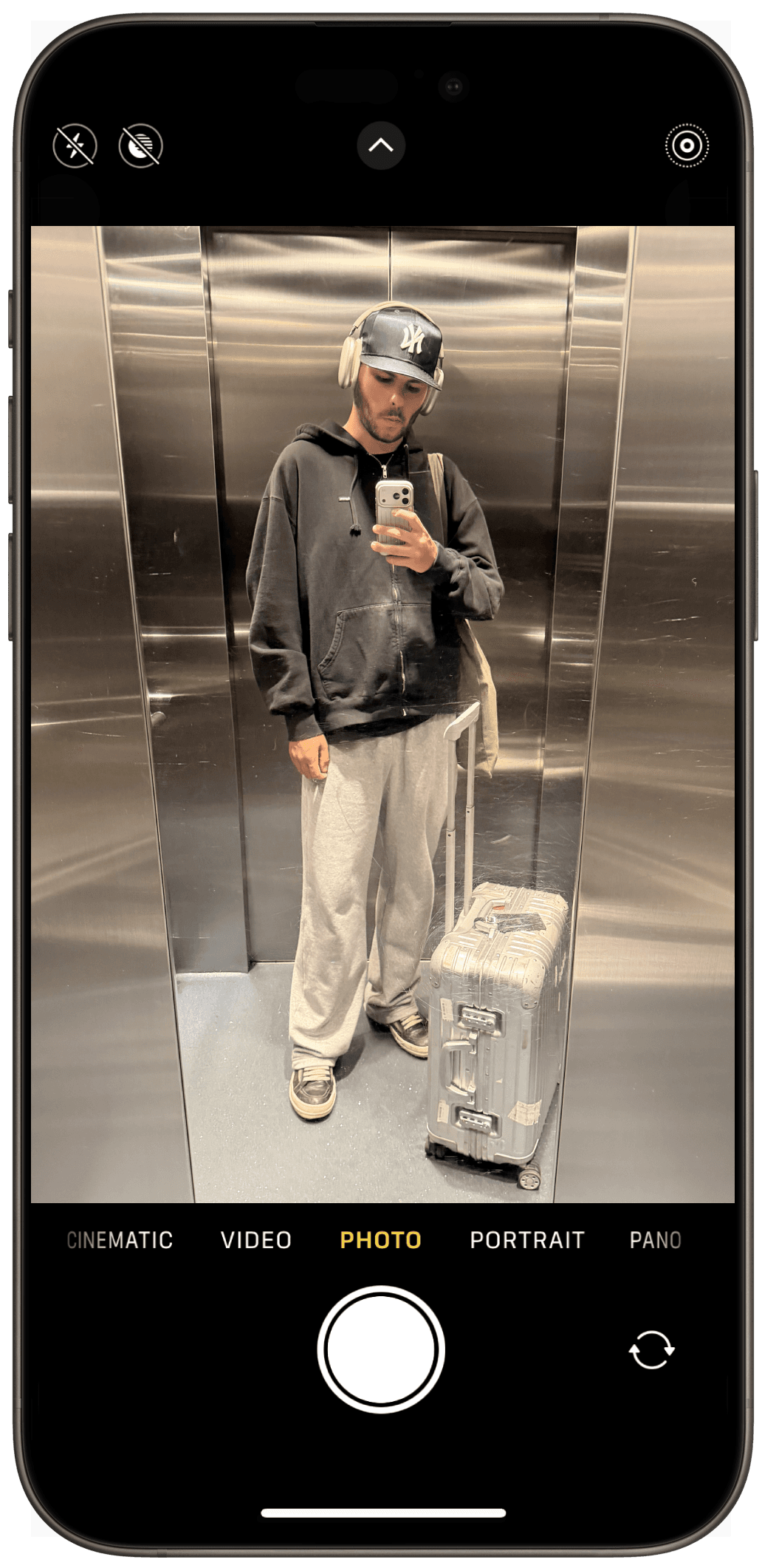
How I use AI
I work AI-first: I write the problem down, Claude Code plans it against a spec, and agents build it in parallel. My time goes into the spec and into reviewing the running app, and nothing ships until it feels right.
- Idea / problem written down in Notion
- Claude Code plans against a spec (like this one)
- Work split across agents (Claude Code, Codex, …) on the Reason Network
- Review on the running app with Agentation → annotations back to the agent
- Ship; agent films/verifies its own UI with Stageshow scripts
The Reason Network links my agents peer-to-peer, so a session on one machine can ask another for what it needs.
Agents I run
- Claude Code
- Codex
- Grok bot
Skills I install
- stageshow (Benji Taylor)
- jakubkrehel/skills
- interfaces skills
How I review
- Agentation annotations
/better-interface/break
This page was built this way. Flip Blueprint mode to see the seams.
Projects
I run a small two-person software studio (opens in a new tab) (opens in a new tab) with a close friend, we work on our own projects whenever we have time or think of an idea for something that we or other people could use.
Private solvers for DataDome, Akamai and Kasada, sold per request, only to scraping services.
We used to offer these APIs and services on our Discord server (opens in a new tab).
- DataDome
- Akamai
- Kasada
I worked on internal anti-bot protection for Footshop, freelance.
- Browser fingerprinting
- TLS fingerprinting
- Identity checks
- Rate & velocity checks
Where it started: in high school I wrote Ganesh, a bot to buy limited sneaker drops, and it became a product people paid for.
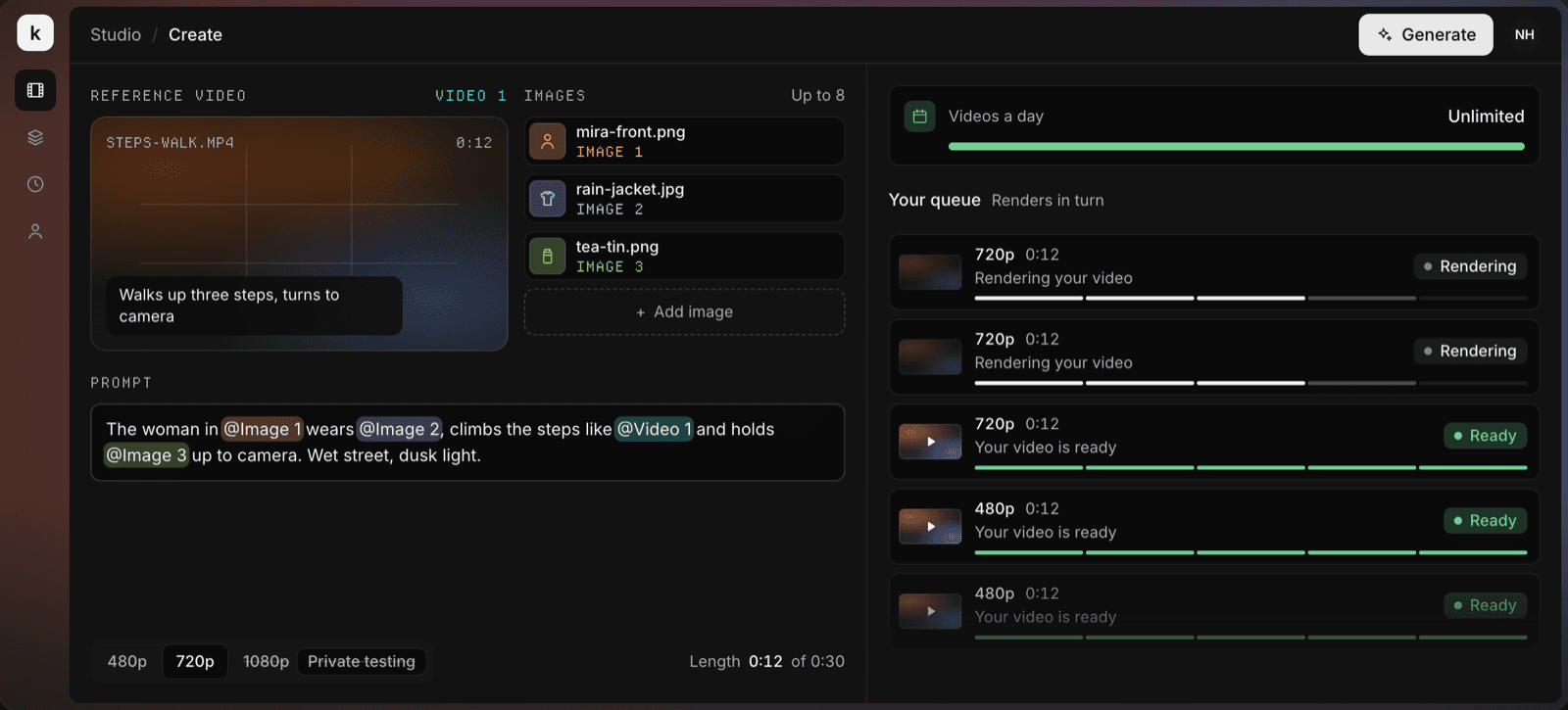
Agents, skills, work
- Agentation
- Claude Code
- ChatGPT
- Notion
- Raycast
- Supabase
- interfaces.dev
- X
- Figma
- Grok bot
Claude Code, Codex and Grok bot are linked peer-to-peer on the Reason Network (opens in a new tab), so they can ask each other directly.
npx skills add benjitaylor/Inspiration
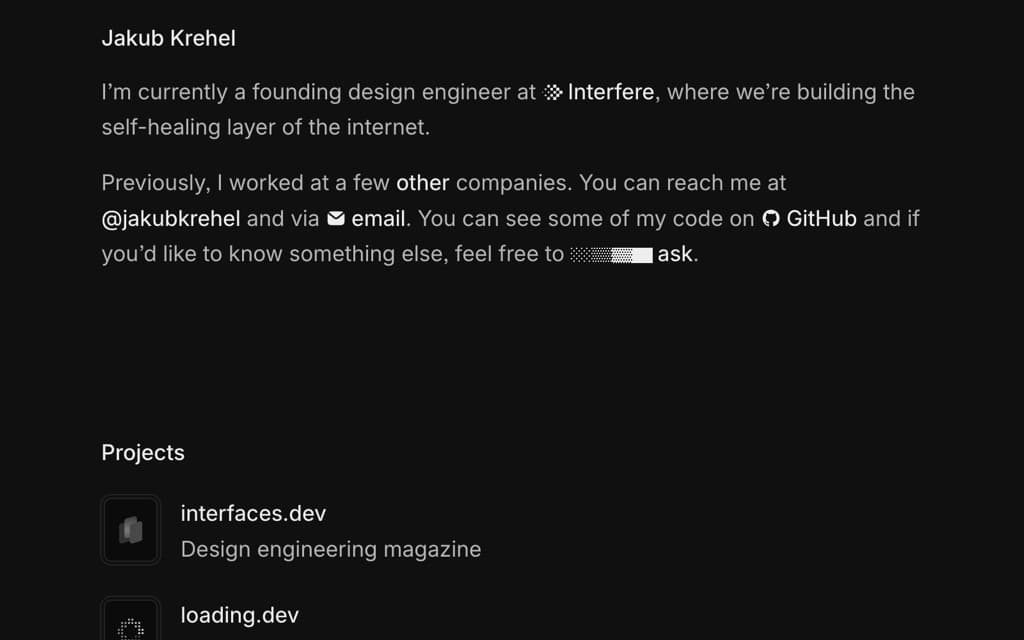 Jakub Krehel jakub.kr (opens in a new tab)
Very good friend, and the design engineer whose details I study most.
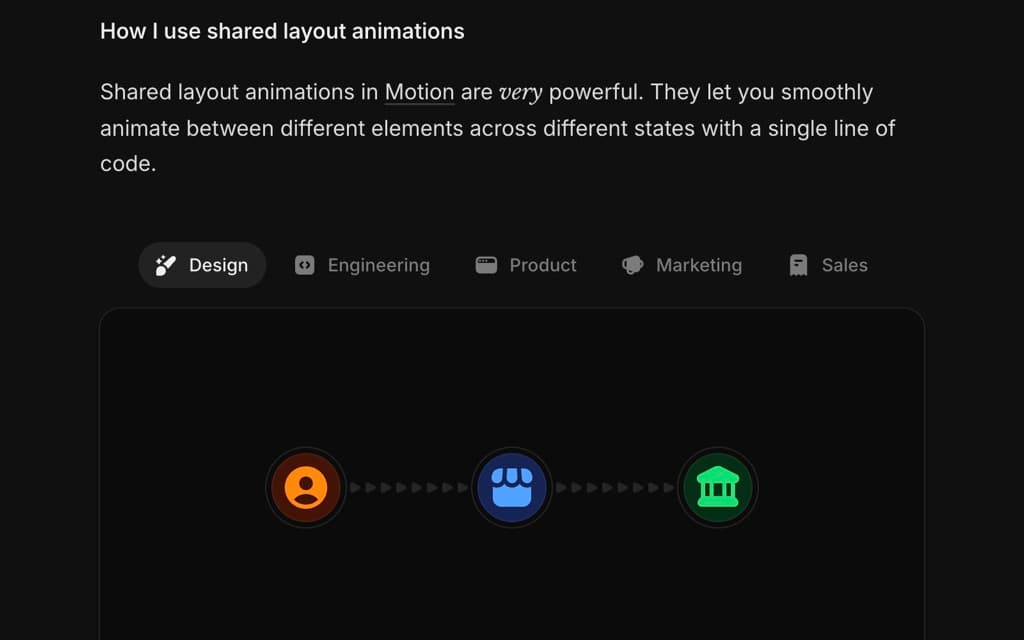
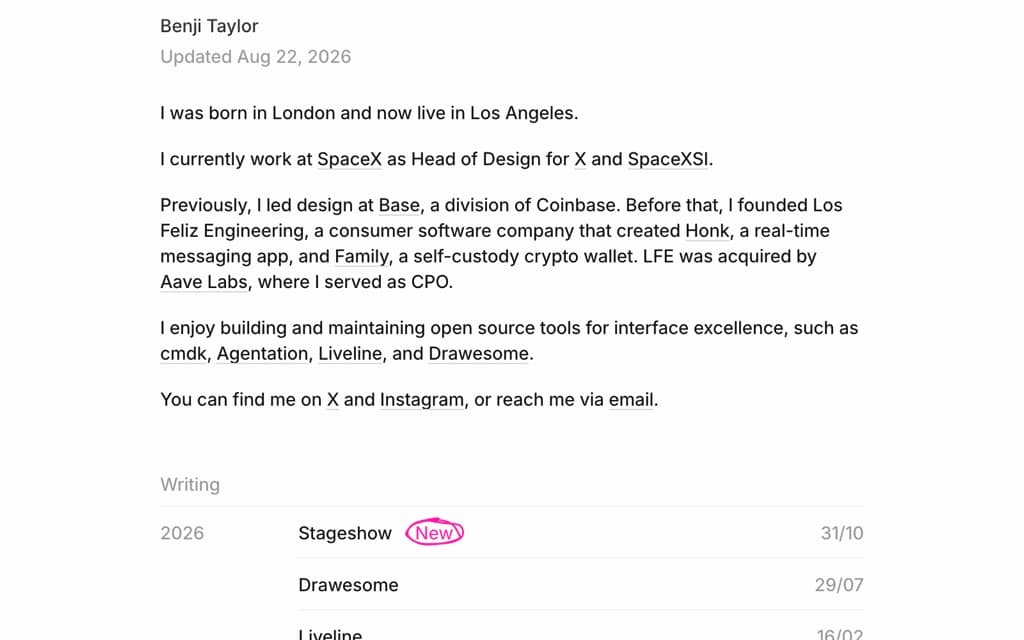 Benji Taylor benji.org (opens in a new tab)
His tools, Agentation and Stageshow, are part of how I work every day.
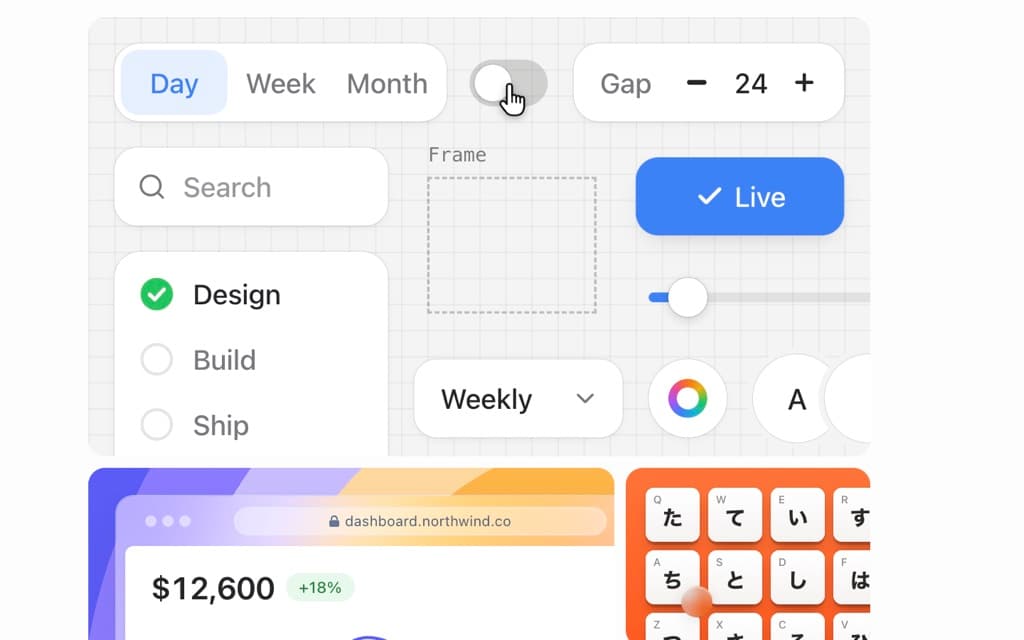 Stageshow benji.org (opens in a new tab)
How the product demos on this page get made: faux UI, built and filmed by agents.
 Los Feliz Engineering lfe.org (opens in a new tab)
Benji’s studio behind Honk and Family: a whole company built around craft.
 Family family.co (opens in a new tab)
Proof that serious software can still feel playful.
 Apple
Hardware, software and packaging designed as one object.
 Rimowa
A suitcase that wears its dents like stamps in a passport.
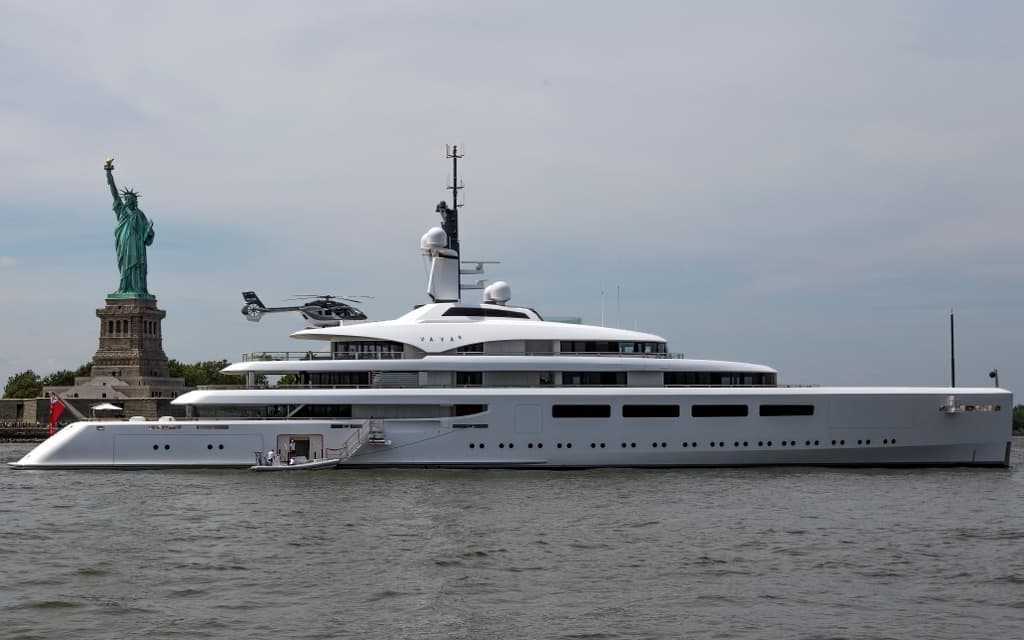 Vava II wikipedia.org (opens in a new tab)
I just love the design.
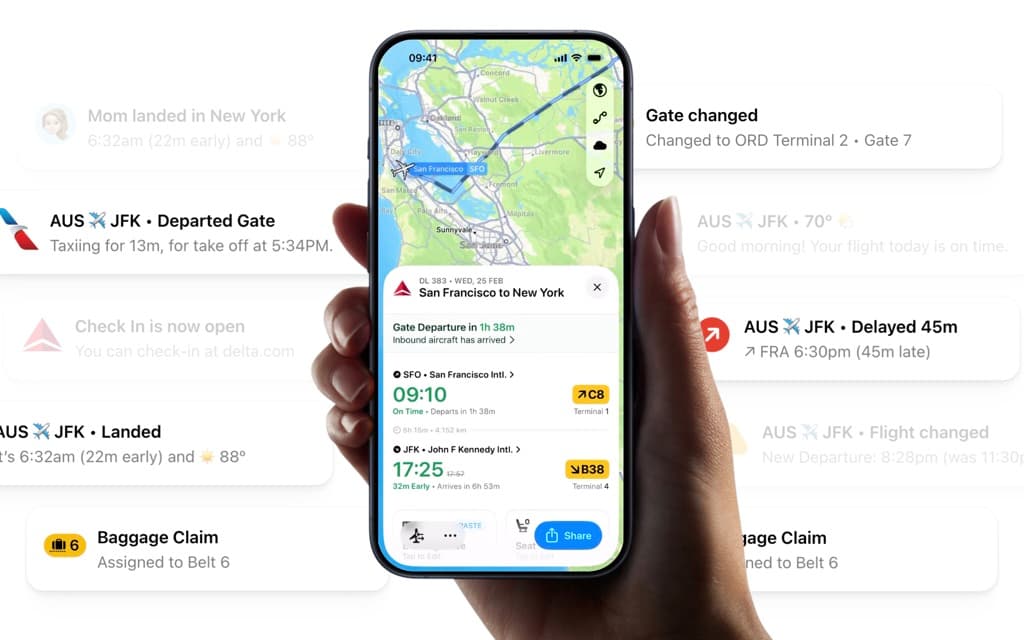 Flighty
Also love the design of the app and how great of a job their product team has done.
How I used Fredrin
I wrote one brief (spec, content, checklist), and Fredrin turned it into a foundation ticket that scaffolded the site, the design system and the snap-scroll shell. Then it ran the section tickets in parallel, one Worker per ticket on its own branch, and every Worker interviewed me first, so none of the copy is invented.
When I reviewed the running site, I dropped screenshots of what to change into a Fredrin chat, and each one became a scoped ticket. Fredrin’s Workers used skills I built myself to make it look exactly how I wanted.
- 37 tickets
- 35 merged PRs
- ~19 hours
Built with
It’s built with Next.js 16 (App Router, Turbopack, React Compiler), React 19 and TypeScript 7. The styling is plain CSS Modules with OKLCH tokens: I prefer this to libraries like Tailwind for better performance, and it’s a great match for this project. Motion is hand-built, the icons come from an SVG sprite pipeline, and the handwriting is my own font, Inkhand. The contact form sends to Discord behind Cloudflare Turnstile, Playwright and Lighthouse CI check it, and it’s deployed on Vercel.
What I’d add to Fredrin
- I’d love to remotely interact with my Claude Code running locally on my machine (like /rc in the official Claude app).
- Running too many instances of Claude Code at once (15+) makes my Fredrin app freeze. CPU and memory monitoring, and load balancing by pausing tasks for a while, would help.
- It would be nice if Fredrin recognised tickets as issue fix or new feature and sorted them into their own sections in each project.
Contact
hey — thanks for reading this far
Seen